The Sarver Heart Center partners with the University of Arizona College of Medicine – Tucson to offer free community training in compression-only CPR. These sessions help community members learn simple, lifesaving skills that can make a critical difference during cardiac emergencies.
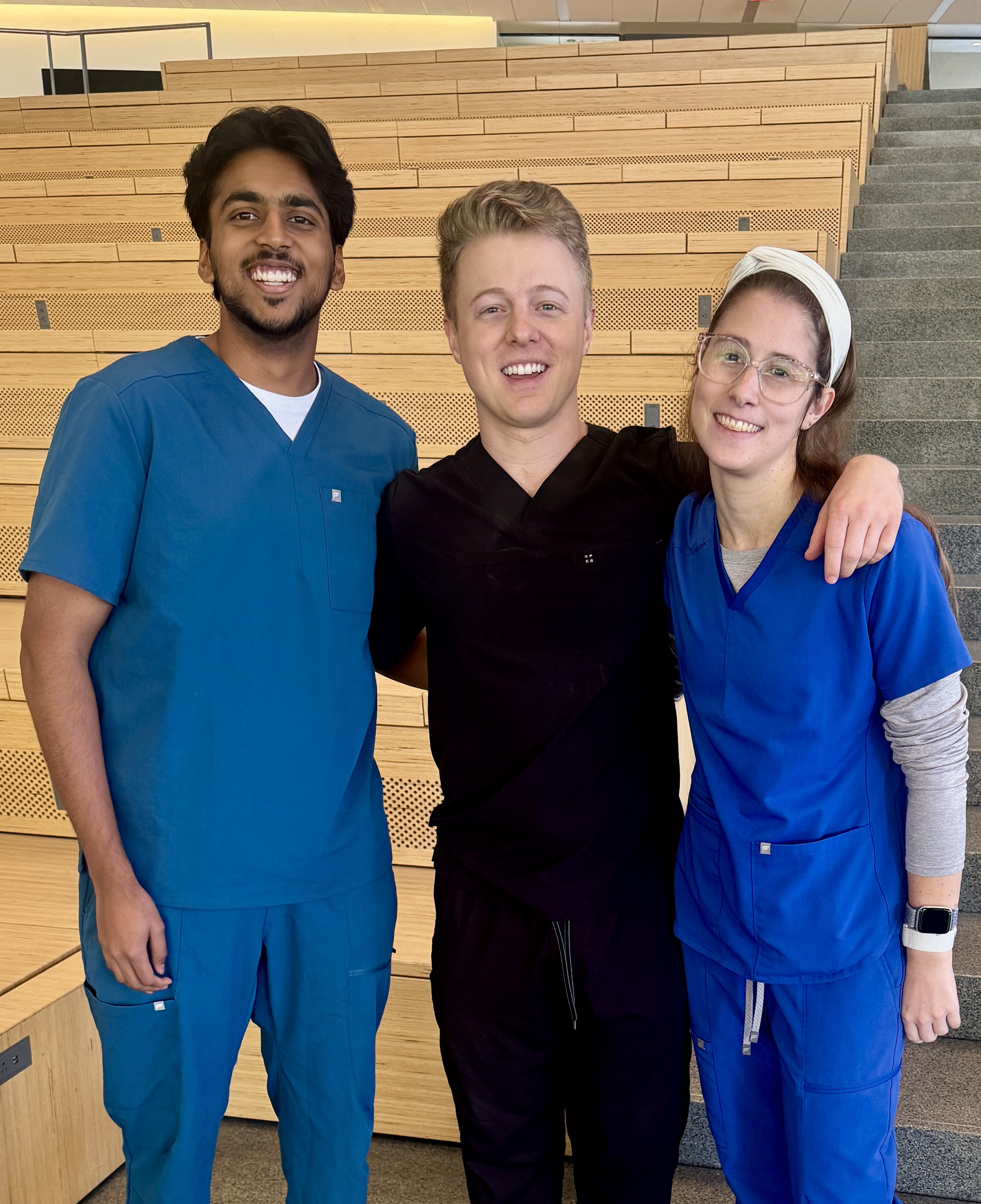
University of Arizona medical students provide community CPR training through the REACT program.
Why CPR Matters
More than 350,000 cardiac arrests occur outside of hospitals in the United States each year. When the heart stops, blood flow to the brain and vital organs also stops, and survival depends on rapid action from people nearby.
Without CPR, brain injury can begin within 4–6 minutes. Emergency medical services may take 10 minutes or more to arrive depending on location. Immediate bystander CPR helps circulate oxygenated blood to the brain and heart until professional help arrives.
According to the American Heart Association, prompt bystander CPR can nearly double a person's chance of survival following cardiac arrest.
Compression-Only CPR
Compression-only CPR is a simple technique that focuses on fast, continuous chest compressions. The method is easy to learn and can be performed by anyone, even without formal medical training.
Learning how to recognize cardiac arrest, call emergency services, begin chest compressions, and use an automated external defibrillator (AED) can empower individuals to help save the lives of family members, friends, neighbors, or strangers.
Community Training Through REACT
Our CPR education sessions are led by volunteer medical students from the University of Arizona College of Medicine – Tucson through the REACT (Resuscitation Education and CPR Training) program. The REACT team works with community groups, schools, and organizations throughout Southern Arizona to expand access to CPR education.
To schedule a CPR training session for your organization or community group, contact the REACT team at reactuofa@gmail.com.