


The Tucson Myofilament Meeting is an international 3.5-day Sarver Heart Center conference that brings together approximately 250 scientists focused on the structure and function of the myofilaments that comprise the contractile machinery of muscle. Spanning topics from molecular biophysics to heart and skeletal muscle disease mechanisms and drug development, the meeting is known for its highly interactive, collaborative, and informal atmosphere, with strong engagement of early career investigators.
Traditionally held biennially at the University of Wisconsin, the meeting will continue at the University of Arizona beginning in May 2026, offering a distinctive Tucson setting that fosters scientific exchange and community building.
News

06/24/2020
UArizona Sarver Heart Center physician-scientist Dr. Khadijah Breathett wins international career award she will use to advance her research on health disparities in cardiovascular disease.

06/18/2020
COVID Watch sends exposure alerts without having to collect any personally identifying information from users, protecting their anonymity.
05/28/2020
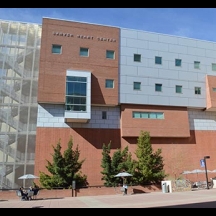
The University of Arizona Sarver Heart Center director will co-lead the innovative program with Dr. Ronald Hammer to match students with faculty mentors to train in research design and methodology, biostatistics and responsible conduct of research relevant to human health and disease.
05/20/2020
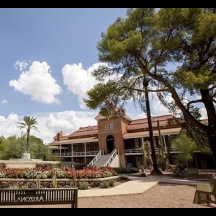
University of Arizona president, Dr. Robert Robbins announced in April his plans to resume in-person classes Aug. 24, bringing back 45,000 students and 15,000 faculty and staff for fall 2020.
05/15/2020
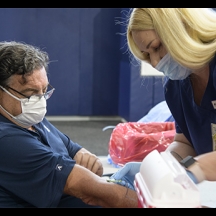
The University of Arizona – State of Arizona antibody testing initiative will include 31 sites across the state as it expands to all 15 counties.
05/08/2020
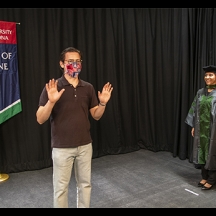
The five Health Sciences colleges at the University of Arizona plan special ways to mark the rite-of-passage of earning a degree, despite COVID-19 social distancing and stay-at-home orders.
05/04/2020
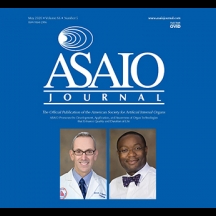
The paper, published in two medical journals last week, lays out best practice guidelines for patients in intensive care units requiring advanced life-saving therapies due to the novel coronavirus.
05/04/2020
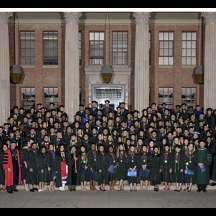
On May 14, a total of 117 medical students from the University of Arizona in Tucson officially will become physicians and earn their Doctor of Medicine degrees.

04/29/2020
After his blood draw, Dr. Robert C. Robbins will announce plans for the university’s fall semester. Appointments for this first round of testing for 4,500 people in Pima County are filled. No walkups.

04/02/2020
Led by Regents Professor Dr. Marvin J. Slepian, a team from the University of Arizona Center for Accelerated Biomedical Innovation has submitted a proposal to the U.S. Department of Defense for three ventilator prototypes – including one using a basketball – that offer simple, low-cost designs featuring easily acquired materials that could be fabricated rapidly and used for full or partial ventilator support.