


The Heart Rhythm Disorders program at the University of Arizona Sarver Heart Center focuses on the evaluation and management of complex cardiac arrhythmias. The program brings together electrophysiologists, cardiovascular specialists, and researchers dedicated to advancing the understanding and treatment of abnormal heart rhythms.
Cardiac arrhythmias occur when the electrical signals that coordinate the heartbeat become disrupted. These conditions can lead to symptoms such as palpitations, dizziness, shortness of breath, or fainting and may increase the risk of stroke or heart failure if left untreated.
At the Sarver Heart Center, electrophysiology specialists focus on the diagnosis and treatment of atrial and ventricular arrhythmias using advanced imaging, mapping technologies, and catheter-based therapies. The program integrates clinical expertise with research efforts aimed at improving long-term outcomes for patients with rhythm disorders.

Advanced electrophysiology procedures allow specialists to diagnose and treat complex heart rhythm disorders.
Program Themes
Atrial Fibrillation and Complex Arrhythmias
Atrial fibrillation is the most common cardiac arrhythmia and a major contributor to stroke and cardiovascular morbidity. The program focuses on advanced evaluation and management strategies for atrial fibrillation and other complex atrial arrhythmias.
Catheter Ablation
Catheter-based electrophysiology procedures allow specialists to identify and treat abnormal electrical pathways responsible for arrhythmias. Ablation therapies are used to treat atrial fibrillation, atrial flutter, supraventricular tachycardia, and certain ventricular arrhythmias.
Cardiac Devices
Implantable cardiac devices such as pacemakers and implantable cardioverter-defibrillators (ICDs) play a critical role in the treatment of heart rhythm disorders. These technologies help regulate heart rhythm and prevent life-threatening arrhythmias.
Ventricular Arrhythmias
The program also focuses on ventricular arrhythmias, including premature ventricular contractions (PVCs) and ventricular tachycardia, which may arise from structural heart disease or inherited cardiac conditions.
Inherited Arrhythmia Syndromes
Specialized expertise is available for rare and inherited arrhythmia disorders such as arrhythmogenic right ventricular cardiomyopathy (ARVC/D). These conditions often require advanced diagnostic evaluation and multidisciplinary management.
Research and Innovation
Electrophysiology investigators at the Sarver Heart Center are actively involved in research aimed at improving the understanding of cardiac electrical disorders and developing new therapies for atrial fibrillation and related arrhythmias.
Ongoing research efforts include studies of arrhythmia mechanisms, clinical outcomes of catheter ablation procedures, and the development of new technologies for mapping and treating abnormal cardiac electrical activity.
Electrophysiology Faculty

Mathew Hutchinson, MD, FACC, FHRS
Assistant Professor, Medicine
Division of Cardiology
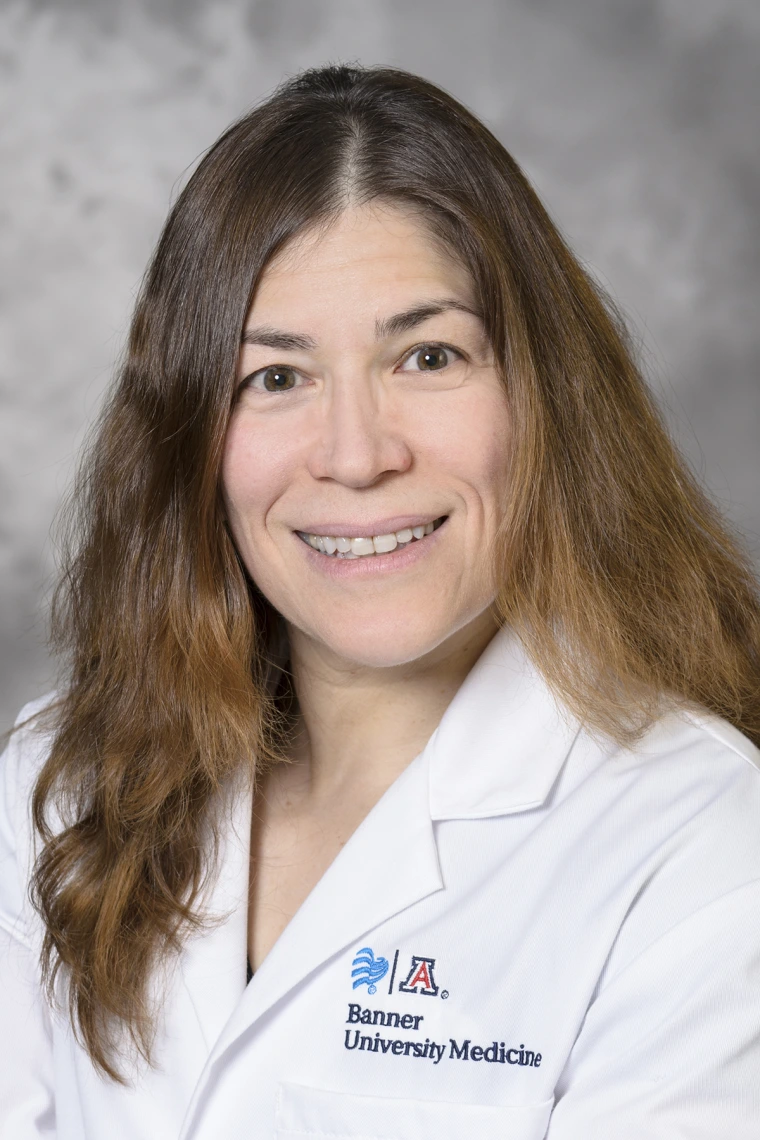
Julia Indik, MD, PhD
Professor of Medicine
Flinn Foundation and American Heart Association Endowed Chair in Electrophysiology

Jacob Klewer, MD
Fellow
Division of Cardiology
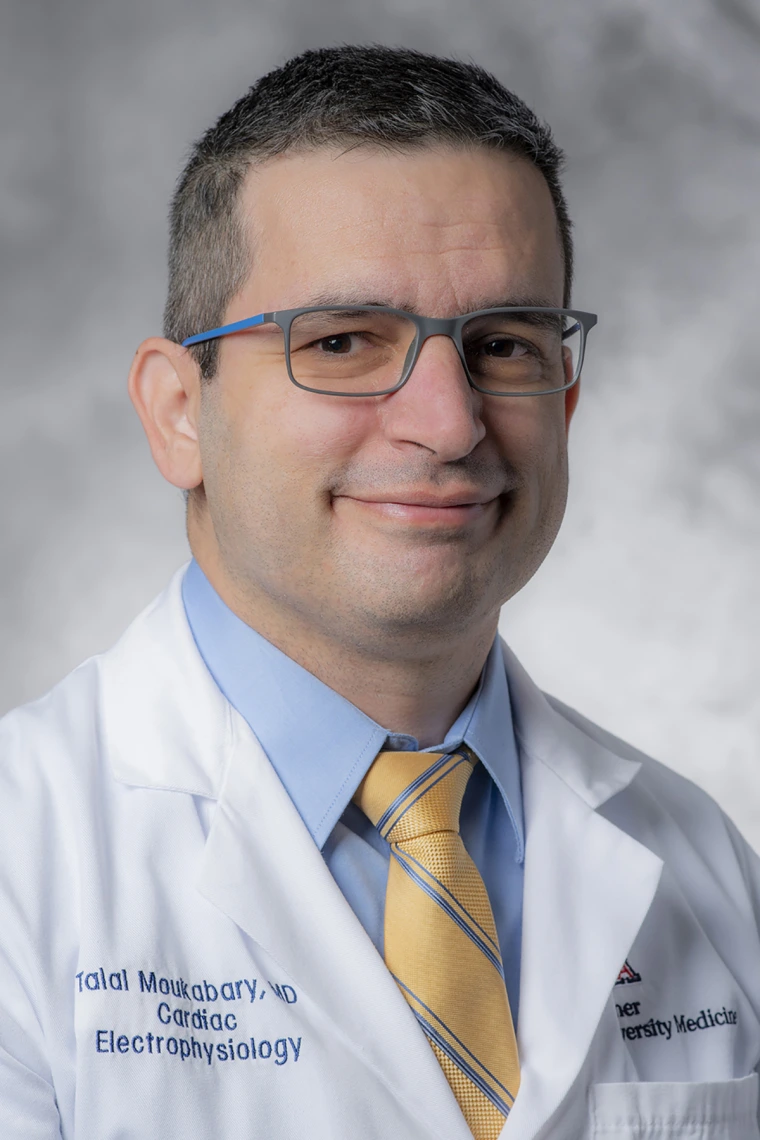
Talal Moukabary, MD
Clinical Associate Professor
General Cardiology at Banner – University Medical Center Tucson

Peter Ott, MD
Associate Professor, Medicine
Clinical Scholar Track