


The Sarver Heart Center and the Molecular Cardiovascular Research Program bring together leading investigators studying the biological, molecular, and clinical mechanisms of cardiovascular disease. These laboratories span basic discovery, translational science, and clinical innovation aimed at improving the prevention and treatment of heart disease.
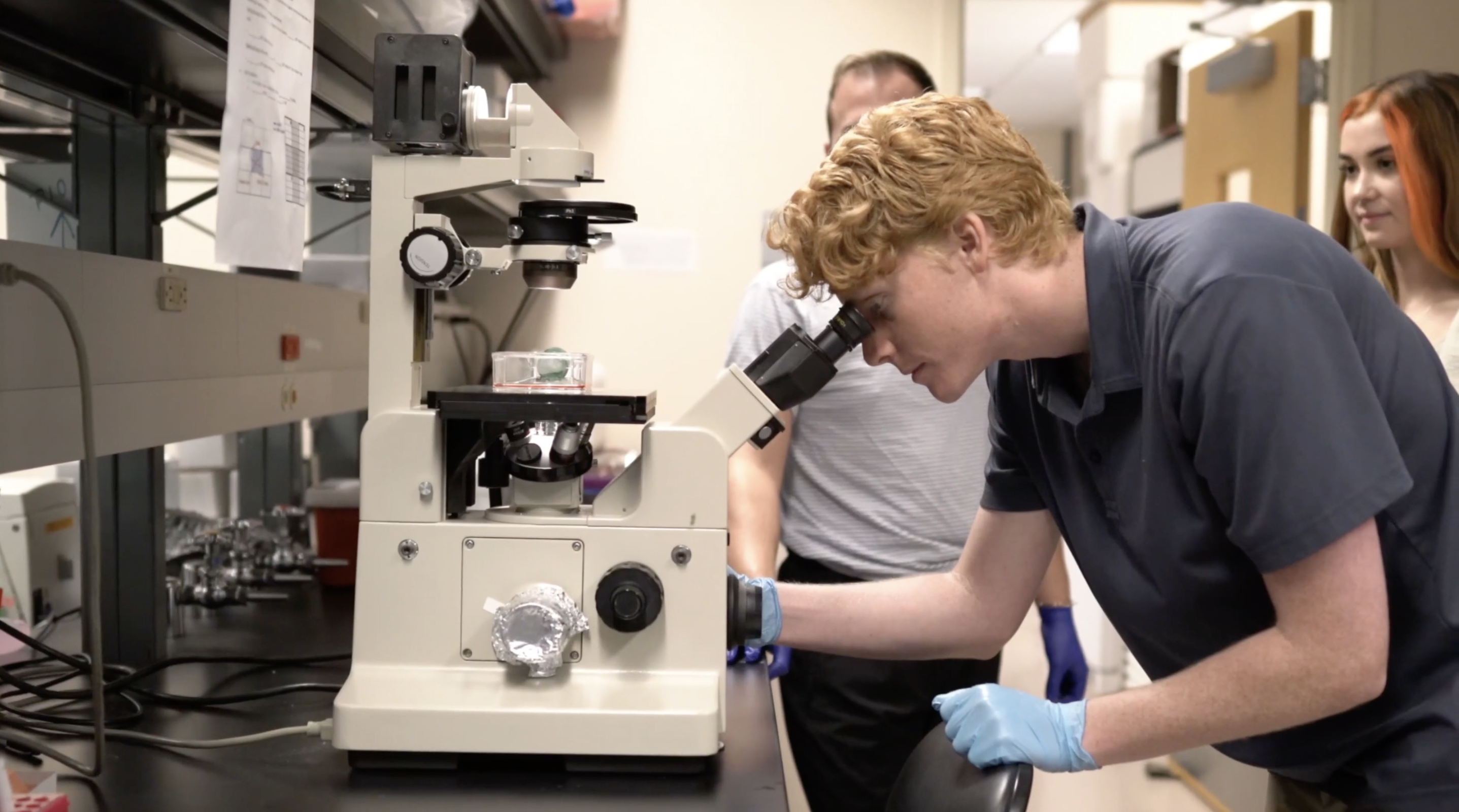
Ardehali Lab
Studies iron metabolism and mitochondrial glucose regulation to uncover mechanisms of heart failure, aging, and cellular stress.
Goldman Lab
Develops regenerative therapies for heart failure using stem-cell–derived cardiomyocytes and engineered heart tissue.
Liang Lab
Integrates genomics, regulatory RNA, and cellular metabolism to understand hypertension and cardiovascular and kidney disease.
Romanoski Lab
Studies how DNA sequence and gene regulation shape endothelial cell biology and contribute to diseases such as atherosclerosis and hypertension.
Sadek Lab
Investigates cardiomyocyte regeneration and molecular pathways that could enable the heart to repair itself after injury.
Szweda Lab
Studies how diet and aging alter cardiac and mitochondrial metabolism, redox balance, and insulin resistance in cardiovascular disease.